Research: Skills Garden gets people moving
Many public playgrounds and outdoor gyms are still underutilized. Studies have shown that sports fields and playgrounds can be vacant for a significant amount of time, and when people do use them, their visits are often brief. One explanation for this is that traditional designs often serve a limited group. A soccer field is useful for people who play soccer, and a basketball court for those who enjoy basketball. However, these single-purpose facilities may not appeal to a wide range of people in the community.
A new type of movement space: the Skills Garden
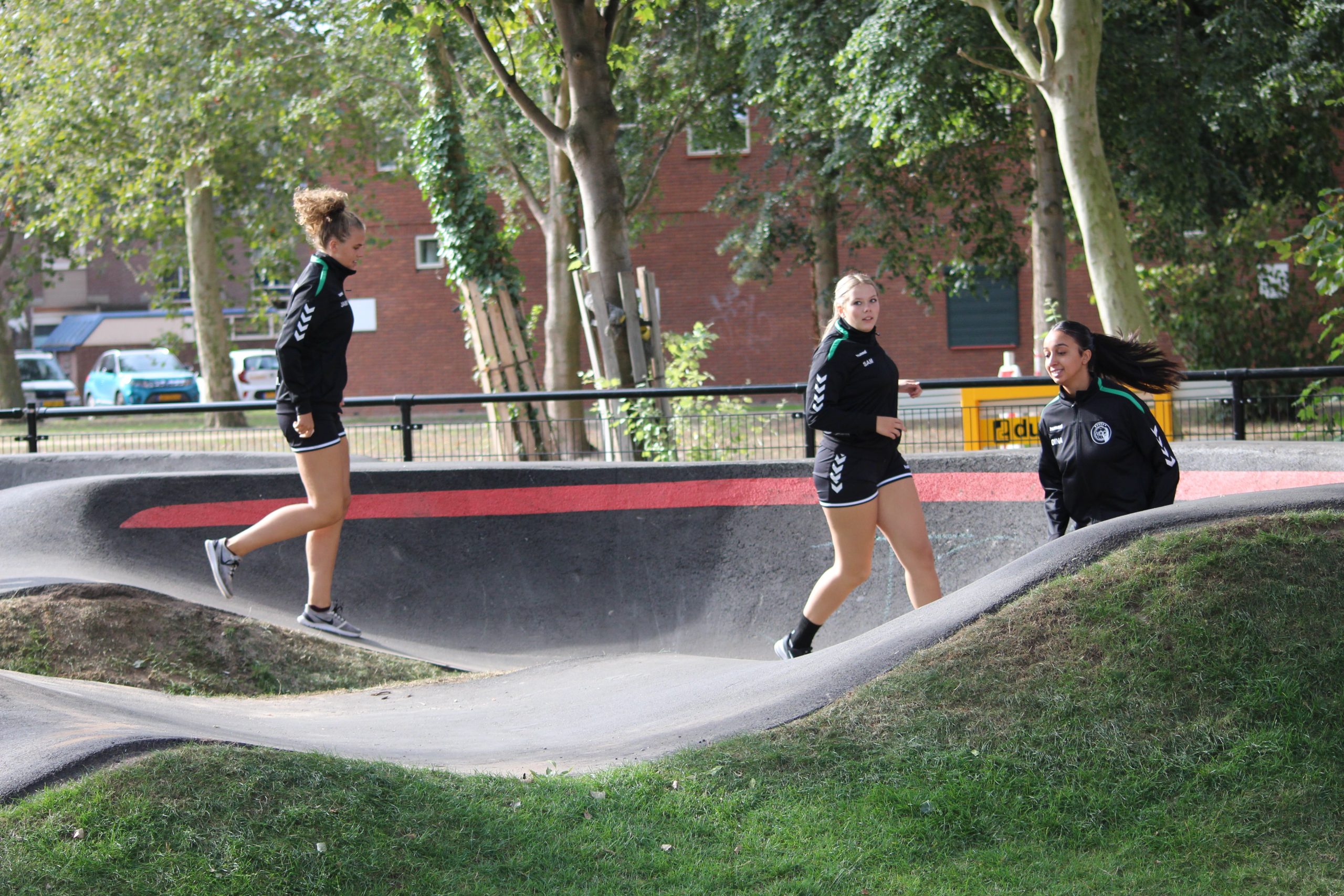
The Skills Garden offers a different approach. Instead of being designed for specific sports or activities, Skills Gardens are built around movement itself. They strive to be inclusive and flexible, facilitating sports, play, exercise, and social interactions for all ages. Because the facilities are designed in various sizes and heights (scaled to body size), children, adolescents, adults, and seniors can all find appropriate challenges. In this way, Skills Gardens aim not to prescribe a specific activity, but to offer opportunities to explore different ways of moving.
Collaboration with university researchers
As a company committed to developing evidence-based products, we collaborated with academics from the University of Portsmouth, England, to investigate how Skills Gardens are used in practice. Together, we compared two Skills Gardens with two traditional public spaces of similar size. Over two weeks, the research team visited each location at various times of the day and recorded the number of users, age group, and gender as well as users’ physical activity levels and diversity of movements performed.
The analyses of the results showed that:
X 3
The Skill Gardens attracted approximately three times as many users compared to the traditional spaces.
X 2
There were more than twice as many participants engaging in moderate to vigorous physical activity in the Skills Gardens.
+ 18%
An 18% increase in female participation compared to the traditional spaces.
+10!
A greater diversity of movement types in the Fundamental10!, such as balancing, walking/walking, kicking/shooting/aiming.
In summary, the study concluded that Skills Gardens offer a clear advantage over traditional exercise environment. Higher levels of physical intensity were observed among participants in comparable-sized spaces as well as a greater diversity in participation and the variety of observed movement activities performed.
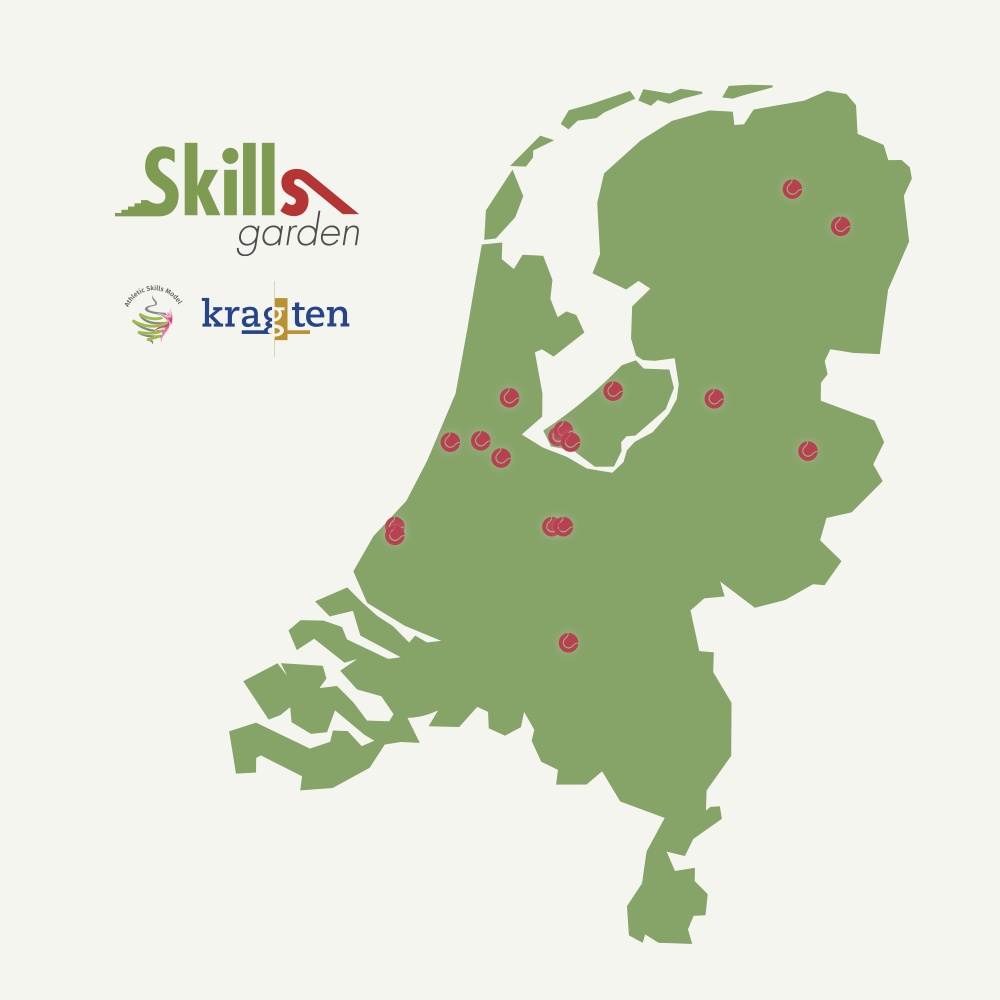
AlmereSporttuin Prinses Máxima Centrum Natuurtuin Prinses Máxima Centrum InHolland HaarlemDen BoschPurmerendHeracles AlmeloVeendam
For those interested, read the full study: Designing movement-rich environments: evaluating the Skills Garden for physical activity promotion (2025) in the Brazilian Journal of Motor Behavior by Gower, J., Navarro, M., Milligan, G., O’Halloran, J. & Savelsbergh, GJP. University of Portsmouth, Winston Churchill Ave, Southsea, Portsmouth, PO1 2UP, United Kingdom. Department of Behavioral and Human Movement Sciences, Section Motor Learning & Performance, Free University (VU) Amsterdam, De Boelelaan 1105, 1081 HV Amsterdam, Netherlands
Skills Garden® is a European registered concept of the Athletic Skills Company and Kragten. The use of the name and/or trademarks related to Skills Garden is reserved and may only be used for promotion, design, and consultancy purposes with prior written permission from the Athletic Skills Company.